Automotive Tires Guide: How to Choose the Right Type
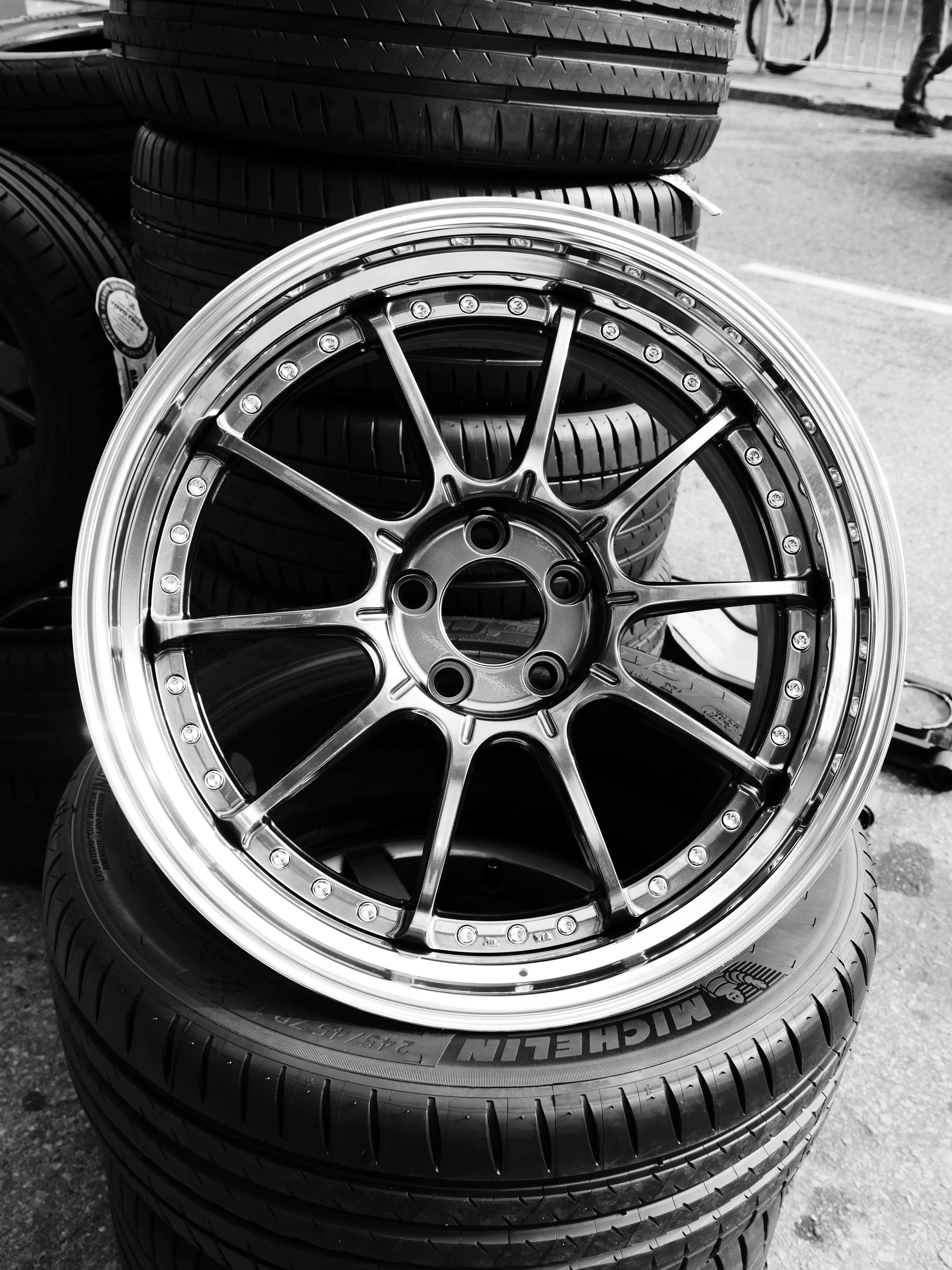
Automotive Tires is one of the most impertinent decisions that any vehicle owned can ever semi. The tires directly affect the safety, performance, efference, and comfort to drive your vehicle. With too many option
This Automotive Tires Guide will assist you in understanding different types of tires, important factors to consider, and tips in choosing the right tires for you, depending on your driver needs and weather conditions. This Automotive Tires Guide is applicable to all types of vehicles, from sedan,
Why Choosing the Right Tires Matters
Tires are the only part of your vehicle that makes direct contact with the road. Using the wrong type of tires can lead to:
Reduced traction and braking performance
Poor fuel efficiency
Faster tire wear
Unsafe driving in extreme weather conditions
Selecting the correct automotive tires ensures better handling, longer lidespam, aNd improved road safety.
Understanding the types of tires is the first step in choosing the right one.
All-season tires are the most popular choice for everyday drivers. They are designed to perform well in moderate weather conditions, including light rain and mild snow.
Best for:
Daily commuting
Moderate climates
Drivers who want convenience and affordability
Pros:
Long-lasting
Quiet ride
No need to change tires seasonally
Cons:
Not ideal for extreme winter or high-performance driving
- Summer Tires
Summer tires offer superior grip and handling in warm and dry conditions. They are made with softer rubber compounds that enhance traction.
Best for:
Performance vehicles
Warm climates
Sporty driving
Pros:
Excellent cornering and braking
Better road feedback
Cons:
Poor performance in cold temperatures
Not suitable for snow or ice
Winter tires (snow tires) are specifically designed for cold weather, snow, and icy roads. They feature deeper tread patterns and specialized rubber compounds.
Best for:
Areas with heavy snowfall
Extremely cold climates
Pros:
Maximum traction on snow and ice
Improved winter safety
Cons:
Faster wear in warm weather
Seasonal replacement required
All-Terrain Tires
All-terrain tires are commonly used on SUVs and trucks. They perform well both on highways and off-road surfaces.
Best for:
Off-road driving
Mixed terrain use
Pros:
Durable construction
Versatile performance
Cons:
Noisier on highways
Slightly reduced fuel efficiency
- Performance Tires
Performance tires are built for speed, precision, and control. They are often used on sports cars and high-performance vehicles.
Best for:
Enthusiast drivers
High-speed driving
Pros:
Exceptional grip
Responsive handling
Cons:
Shorter lifespan
Higher cost
How to Choose the Right Type of Tire
- Consider Your Driving Conditions
Think about where and how you drive:
City or highway driving
Off-road conditions
Wet or snowy roads
Your daily driving habits play a major role in selecting the right tires.
- Check Tire Size and Specifications
Always follow the manufacturer’s recommended tire size, which can be found:
In the owner’s manual
On the driver-side door sticker
Using the wrong size can affect speedometer accuracy, handling, and safety.
- Understand Tread Patterns
Symmetrical tread: Smooth and quiet ride
Asymmetrical tread: Better cornering and grip
Directional tread: Excellent water dispersion
Choose a tread pattern that matches you’re driving needs.
- Weather and Climate
Climate is a crucial factor:
Warm climates → Summer or all-season tires
Cold climates → Winter tires
Mixed climates → All-season tires
- Budget and Tire Longevity
High-quality tires may cost more upfront but often last longer and provide better safety. Look at:
Treadwear ratings
Warranty and mileage coverage
Tips for Maintaining Your Automotive Tires
Proper tire maintenance extends tire life and improves performance:
Check tire pressure monthly
Rotate tires every 5,000–8,000 miles
Maintain proper wheel alignment
Inspect tread depth regularly
Frequently Asked Questions
Q1. How often should automotive tires be replaced?
Most tires should be replaced every 6 years or when treed depth reachhas 2/32 inches, whichever comes firSt.
Q2. How do I know which tire size is right for my car?
You can findd the correct tire size in your vehicle’s owner manual or on the sticker inside the riverside door.
Q3. Can I use all-starson tires yearound?
Yes, all-season tires are designed for year-round use In moderate climates. However, they are not ideal for extreme winter conditions.
Comments
More Blogs
Explore more articles that you may find interesting.
