How Much Do Auto Mechanics Charge In 2026 Cheaply?
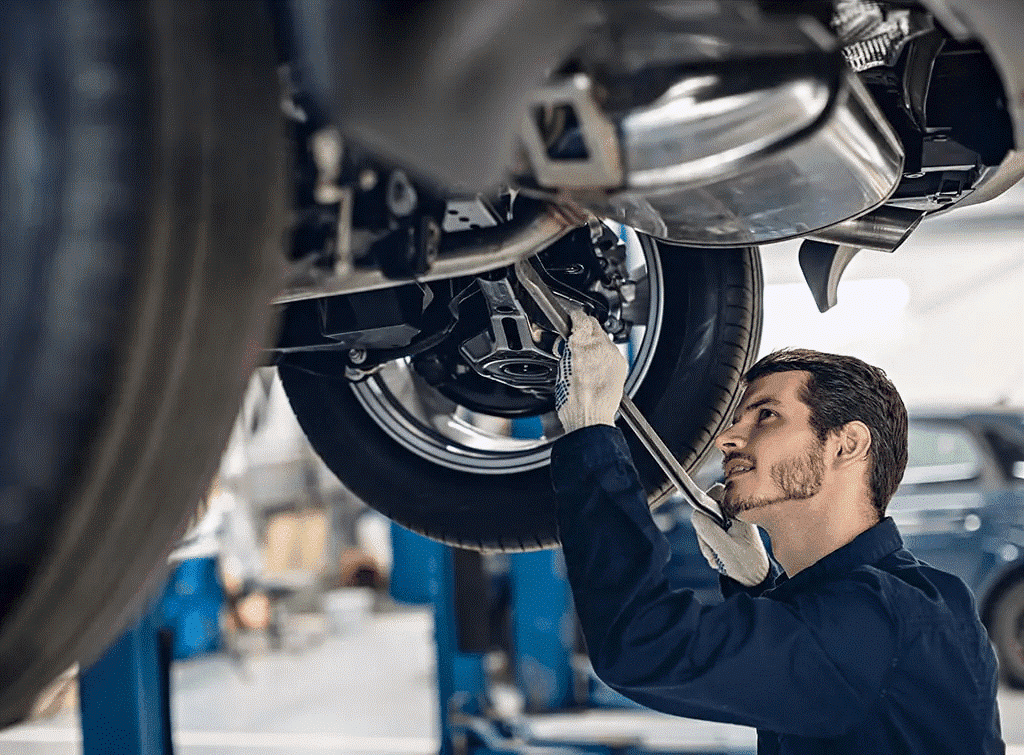
The most frequent questions people have when their car begins to make strange noises or a warning light flash on the dashboard are: How much is this going to cost me? Charges by auto mechanics vary widely depending on a number of factors: location, type of repair, and the mechanic's expertise.
The average rate that mechanics charge for per hour is $75-$130. That service centers found in dealerships normally fall in the higher bracket, and the local mechanics would charge lower rates. In rural setups, the rates would be lower, and in major cities, the rates would be higher because of increased operational expenses. However, the cost of repairs for the labor part is just one component of the overall repair cost. Other costs may escalate the overall repair charge considerably.
Variables That Influence Auto Mechanics Charges Prices
There are a few major factors that will play a role in the amount a car repair technician will be
1.Kind of repair
Basic maintenance works such as changing the oil or rotating the tires cost little. Overhauls of the transmission or engine can cost several thousand dollars.
2.Vehicle Make and Model
Luxury and foreign cars would probably require specific tools and parts. This would increase the cost of repair. Normal domestic cars would involve lower rates for repairs and readily available and inexpensive parts.
3.Location
city mechanics charge more money compared to small town mechanics. The main factor contributing to additional costs is that it is more expensive to rent and provide labor in cities.
The cost of automobile repair is rarely a fixed sum, as a complex interplay of variables determines the final price presented to a customer. At the forefront is labor, which typically constitutes a significant portion of any repair bill. Mechanics and shops charge an hourly labor rate, but this figure is not arbitrary; it is influenced heavily by geographic location and operational overhead. A dealership in a major metropolitan area will command a far higher rate than an independent garage in a rural town, reflecting differences in commercial rent, local wages, and regional cost of living. Furthermore, labor charges are often based not on the actual clock time a technician spends on a vehicle, but on standardized "book time" set by industry guides. This system, designed to create consistency, means a customer pays for the estimated time a job should take, rewarding an efficient mechanic but also potentially leading to charges for more hours than physically spent if the task is completed swiftly.
Beyond labor, the cost and sourcing of parts create another major layer of price variation. A repair can involve anything from inexpensive, aftermarket components to premium, Original Equipment Manufacturer (OEM) parts directly from the vehicle's maker. The choice here dramatically impacts the bottom line. Aftermarket parts are generally less expensive but may vary in quality and longevity, while OEM parts ensure a precise fit and performance but at a premium price. The shop's markup on these parts—a standard practice for inventory and procurement costs—also varies between establishments. Additionally, the vehicle itself is a key determinant; luxury European cars, for instance, require specialized, often imported parts and technician training, leading to exponentially higher costs compared to common domestic models. The age and rarity of the car can further complicate parts availability, sometimes necessitating costly searches for discontinued components.
Finally, the structure and reputation of the service provider itself are decisive factors. National dealership networks, with their factory-certified technicians, brand-specific diagnostic tools, and manufacturer-backed warranties, inherently operate at a higher price point to maintain those standards and facilities. In contrast, independent mechanics often have lower overhead and can offer more competitive rates, sometimes providing a personalized touch and loyalty discounts. The complexity and urgency of the repair also play a role; emergency services, intricate diagnostics for intermittent problems, or jobs requiring specialized equipment (like transmission lifts or wheel aligners) will increase costs. Ultimately, while the core service—repairing a brake system or replacing an alternator—may be similar, the final invoice is a composite of these intersecting variables: where the work is done, what parts are used, and who is performing the task.
4.Working Experience and Certification
For experienced mechanics, the charge may be higher, but for those who are certified, they are more reliable. Spending more to begin with is a pro since it will save additional repair services.
5.Dealership versus Independent Repair Shop
Dealerships are usually higher priced but are specific brand specialists, using only certified parts. Independent shops can be more economical.
Common Auto Mechanics Charges:
What follows below will provide a general estimate as to what the cost may run when looking to perform some or all of the following common car repairs and maintenance tasks:
- Oil Change: $40 – $100
- Brake Pad Replacement: $150 – $350 per axle
- Battery Replacement: $100 – $300
- Alternator Replacement: $400 – $1,000
- Transmission Repair: $1,800 – $4,500
Many mechanics may charge you a diagnostic fee, typically anywhere between 50USD to 150USD, before they determine what is ailing your vehicle. Some repair shops offer a credit towards your repair charges, should you choose them for the repair work for the diagnosed trouble.
How to Save Money on Auto Repairs
- Compare Prices: It’s essential to obtain quotes from several different retailers before buying.
- To work effectively, a project manager’s
- Request Written Estimate: This will avoid surprises when it comes to the final repair costs.
- Follow Regular Maintenance: Preventive maintenance can assist in preventing costly repairs.
- Leverage Quality Independent Shops: Local mechanics cost less than dealerships.
Comments
More Blogs
Explore more articles that you may find interesting.
