Pizza's Profit Paradox: Why Shops Are Shuttering Despite Dough-Rolling Margins—and How a Healthy Twist Could Slice Through the Slump
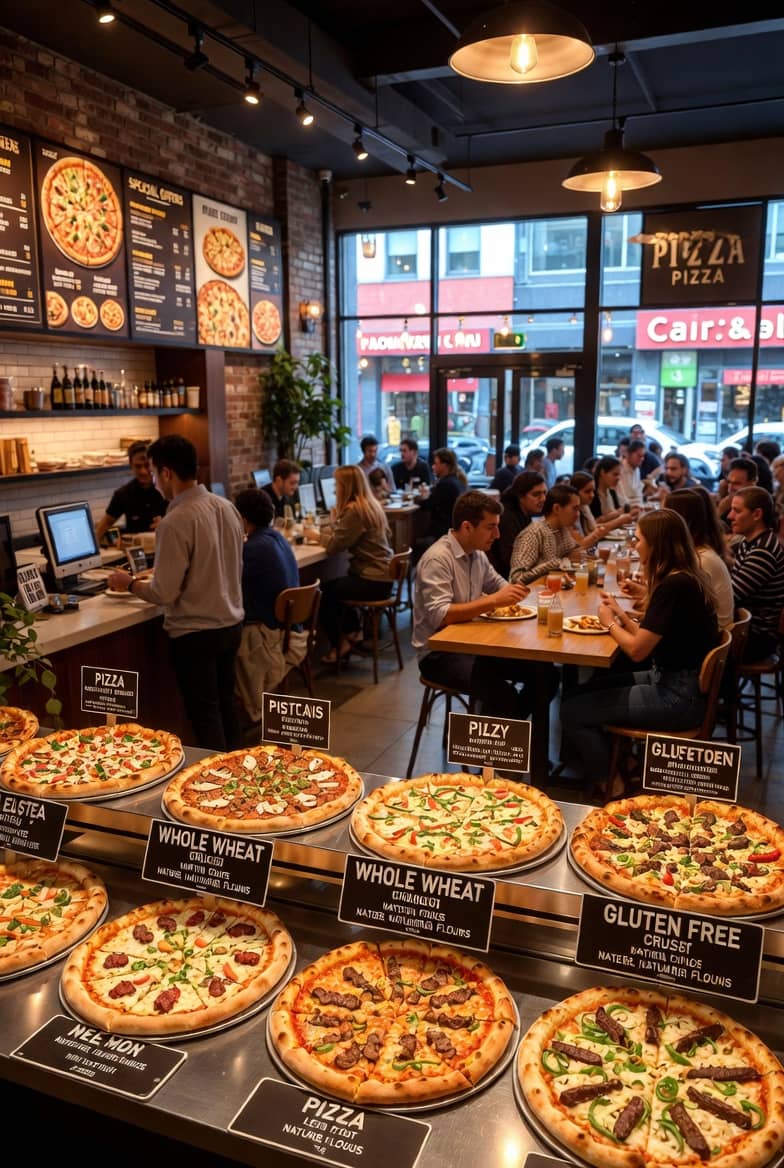
In an era where fast food reigns supreme, pizza stands out as a beloved staple that's both affordable to produce and endlessly customizable. Yet, despite claims of sky-high profit potential—where a single pie can yield 3-6 times its cost after expenses—the industry is facing headwinds. With major chains announcing closures and independent shops struggling to thrive, what's going wrong? We dive into the current state of the pizza business, unpack the myths around its profitability, explore why it's often healthier than alternatives like burgers and hot dogs, and spotlight innovative paths forward, including creative healthy options that could make pizza cheaper and easier than home cooking. Backed by fresh statistics and expert insights, this analysis reveals why pizza isn't the "perfect" model some think—and how it could evolve into one.
The Current Pulse of the Pizza Industry: Stability Amid Stagnation
As of early 2026, the U.S. pizza market remains a powerhouse, valued at approximately $49.5 billion, with over 75,000 pizzerias dotting the landscape. This represents a slight dip from 2024's $50.1 billion peak, reflecting post-pandemic normalization rather than outright decline. Globally, the market is projected to grow at a compound annual growth rate (CAGR) of 2.95% from 2026 to 2034, reaching $50.7 billion in the U.S. alone by then. North America dominates with a 39% share, driven by demand for ready-to-eat and frozen varieties.
However, not all is rosy. Pizza's market share among U.S. restaurant chains has slipped from second place in the 1990s to sixth in 2024, generating $31 billion in chain sales amid broader competition from diverse quick-service options. Independent pizzerias, which comprise 45-60% of the market, often fare better with affluent operations—over 20% report $2 million+ in annual sales—but overall revenue fell 0.3% in 2025. Frozen pizza, a bright spot, saw U.S. sales hit $6.8 billion in 2023 with a 10.7% dollar growth, and the segment is expected to reach $25.5 billion by 2026.
Top chains like Domino's ($9.5 billion in 2024 U.S. sales), Pizza Hut ($5.29 billion), and Little Caesars ($4.93 billion) continue to lead, but even they face pressures. Americans devour 3 billion pizzas annually, yet the industry grapples with inflation, supply chain issues, and shifting consumer habits influenced by weight-loss drugs like GLP-1s, which curb appetites and push for smaller, protein-focused portions.

Profitability Unpacked: High Margins, But Not Without Pitfalls
The allure of pizza as a business lies in its cost structure. Ingredients are cheap—a basic pie might cost $2-3 to make, selling for $10-15, yielding gross margins of 65-75% before overhead. After deducting bills, labor, and rent, net profits typically hover at 10-22% for well-run operations, outpacing general fast-food averages of 6-9%. Pizzerias often hit 15% net margins, thanks to simple menus and high-volume delivery. Compared to other fast foods, pizza's carb-forward nature keeps ingredient costs low, and add-ons like beverages boost margins further.
But averages mask realities. Independent shops can achieve 10-20% if owners are hands-on, while franchises dip lower due to royalties (5-8%). Overheads like rising labor (up 20% in recent years), rent in prime locations, and utilities erode gains, often leaving margins at 7-15%. User's estimate of 3x profits after expenses aligns with mid-range scenarios, but it's not universal—poor management or high competition can drop it to 0-8%.
Why Aren't More Pizza Shops Thriving? The Closure Conundrum
Despite solid fundamentals, closures are rampant. Pizza Hut alone plans to shutter 250 underperforming U.S. locations in early 2026, citing sales declines and operational challenges—representing 3% of its footprint. Papa Johns follows with hundreds more by 2027, blaming competition from Domino's and inflation. Overall, the sector's downturn persists into 2026, driven by:
- **Labor and Operational Costs:** Wages, staffing shortages, and training eat into margins. Chains like Wendy's and Pizza Hut cite rising labor as a top issue.
- **Building and Rent Expenses:** Urban leases are skyrocketing, making expansion tough for independents.
- **Inflation and Supply Chains:** Ingredient prices (cheese, flour) have surged, squeezing profits.
- **Competition and Saturation:** With 75,000+ shops, oversupply leads to price wars. Delivery apps like DoorDash take 15-30% cuts.
- **Consumer Shifts:** Weight-loss trends reduce portion sizes; 12% of Americans on GLP-1 drugs opt for mini-meals. Openings lag as investors eye less risky ventures.
Fewer new shops open due to these barriers, despite pizza's 11% share of foodservice sales.
Pizza's Health Edge: Better Than Burgers and Hot Dogs?
User's point holds merit—pizza can be healthier than fried-meat staples. A slice often has more veggies (tomatoes, peppers) and complex carbs from dough, versus burgers' processed patties and hot dogs' nitrates. Nutritionally:
- **Vs. Burgers:** Pizzas are richer in vitamins A, B, C, and calcium; burgers lead in protein, iron, zinc, but pack more saturated fat (8g vs. pizza's 6-10g per serving). A 4-oz burger has 231 calories and 22g protein; a hot dog, 150 calories but only 6g.
- **Vs. Hot Dogs:** Hot dogs lose big on sodium (480mg vs. burgers' 75mg) and preservatives linked to cancer—one hot dog shaves 36 minutes off healthy life expectancy. Pizza, with fresh toppings, offers fiber from whole grains.
Overall, burgers edge hot dogs for protein, but pizza shines in balance when made with quality ingredients—less processed than "questionable" buns and grinds.
The Near Future: A Healthy Revolution to Revive the Slice?
Looking ahead to 2026-2030, trends favor innovation. The market could hit $341 billion globally by 2032 at 7.2% CAGR, fueled by health-focused tweaks. User's ideas align: Shift to natural flours (wheat, rye, oat, bean) for fiber-rich, gut-friendly pies; drop prices via bulk production to undercut home baking's time cost.
- **Healthy Innovations:** 30% of consumers seek gluten-free/organic options; sales of health-oriented frozen pizzas rose 18% in 2023. Plant-based toppings (vegan pepperoni) and alternative crusts (cauliflower, chickpea) are booming—48% interest in premium varieties.
- **Pricing and Convenience:** Bulk ops make shop pizza cheaper than DIY (which takes 1-2 hours). Trends like single slices cater to smaller appetites.
- **Emerging Styles:** Detroit, Roman al taglio (light, digestible), and high-protein options top 2026 trends. Sustainability (eco-packaging) and global flavors (tikka masala) add appeal.
If shops embrace these, thriving could surge—turning closures into comebacks.
FAQ
**Q: What's the average profit margin for a pizza shop?**
A: Typically 10-22%, higher than fast food's 6-9%, but varies by management and location.
**Q: Why are pizza shops closing despite high demand?**
A: Rising costs (labor, rent, ingredients), competition, and consumer shifts like smaller portions from weight-loss trends.
**Q: Is pizza really healthier than burgers or hot dogs?**
A: Yes, often—with more vitamins and less processing—but depends on toppings. Avoid excessive cheese/pepperoni for max benefits.
**Q: How can pizza shops innovate for the future?**
A: Adopt natural flours, plant-based options, and lower prices to appeal to health-conscious, time-strapped consumers.
**Q: What's the pizza market's growth outlook?**
A: Stable short-term ($49.5B in 2026 U.S.), with global CAGR of 5.9-7.2% to 2034, driven by healthy and frozen segments.
Comments
More Blogs
Explore more articles that you may find interesting.
