Strategic Transformation of the Plumbing Service Industry: Marketing, Reputation Management, and the Advent of Video-Centric Trust Platforms
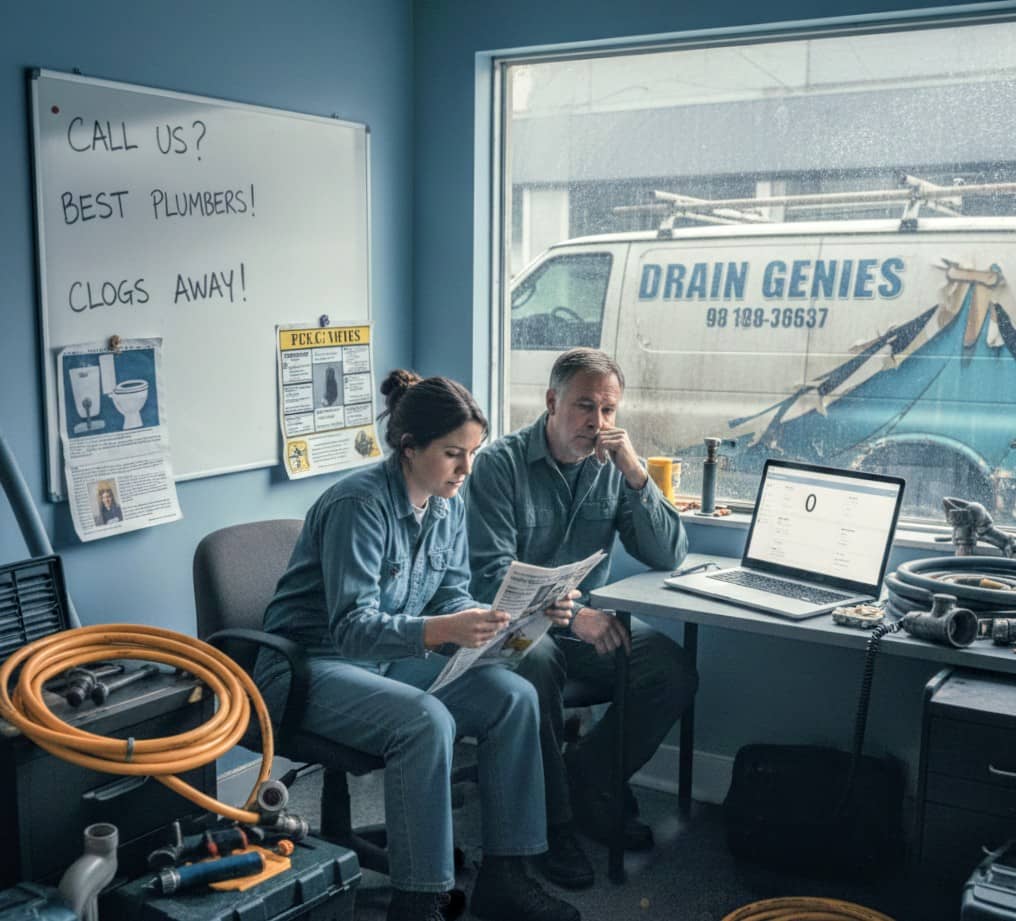
The United States plumbing industry is navigating a pivotal era defined by a complex interplay of resilient economic demand, a critical shortage of skilled labor, and a radical reconfiguration of the consumer trust landscape. As of 2025, the sector has matured into a foundational pillar of the national economy, generating over $160 billion in annual revenue and supporting a workforce of hundreds of thousands of licensed professionals. The industry's trajectory is no longer merely a reflection of construction cycles; it is increasingly shaped by the modernization of aging infrastructure, the integration of smart home technologies, and a shift in consumer behavior that prioritizes digital transparency and immediate visual verification over traditional text-based reviews.
The current market environment presents a dichotomy for plumbing service companies. On one hand, demand is surging due to urbanization, stricter water-efficiency standards, and a massive housing stock that requires consistent maintenance. On the other hand, the industry is grappling with a projected deficit of 550,000 plumbers by 2026, a crisis driven by the retirement of a significant portion of the workforce and high churn rates among younger entrants. This imbalance has elevated the importance of efficient marketing and highly targeted advertising strategies. Companies are no longer competing solely on price; they are competing on visibility, response time, and, most critically, the ability to establish trust before a technician even enters a customer’s home.
Marketing for plumbing services has evolved from basic directory listings to a sophisticated, multi-channel approach where Google Local Service Ads (LSAs), search engine optimization (SEO), and social media presence are baseline requirements. However, as the digital space becomes increasingly saturated with fraudulent reviews and AI-generated content, a new frontier in reputation management is emerging. Platforms such as mytsv.com are introducing video-based directories to combat "review fatigue" and provide consumers with an authentic look at the experts they hire. This research provides an exhaustive analysis of the marketing strategies currently employed by plumbing firms, the advantages and disadvantages of major review platforms like Yelp, Google Maps, Nextdoor, and Ring Neighbors, and the transformative potential of video-centric engagement for the trades.
The Economic and Demographic Landscape of the Plumbing Sector
The US plumbing industry is valued at approximately $170 billion, reflecting a steady annual expansion of 2-3% that aligns with broader construction and facility maintenance trends. While nonresidential construction—including work on hotels, commercial warehouses, and office buildings—makes up just over two-thirds of the revenue, residential plumbing remains the largest driver of service call volume. This resilience is largely due to the essential nature of plumbing work; repairs and infrastructure maintenance are generally considered recession-proof, as they address urgent needs rather than discretionary spending.
One of the most pressing challenges facing the industry is the aging of its human capital. More than 20% of plumbers are over the age of 55, and approximately one-third of skilled trade professionals are expected to retire within the next decade. This "silver tsunami" is occurring at a time when the demand for plumbing, pipefitting, and steamfitting is predicted to grow by 4% between 2024 and 2034. Although there is a growing interest in trades among Gen Z—with 38% now working in the trades and viewing these roles more favorably than corporate jobs—the pipeline of new talent is currently insufficient to offset the rate of retirement. The resulting labor shortage is a primary driver of rising service costs, as companies must offer higher wages to attract and retain skilled technicians.
Furthermore, the industry is seeing significant technological shifts. The global smart water management market is forecast to reach $50.7 billion by 2033, and U.S. investment in digital water solutions, including AI, is growing by 6.5% annually. These technologies, ranging from smart leak detectors to greywater recycling systems, require plumbers to possess more advanced technical skills than in previous generations. For businesses, these trends create a strategic imperative to adopt "tech-over-tools" models, using fleet telematics to optimize routes and digital diagnostic tools to increase the productivity of every technician.
Contemporary Marketing and Advertising Strategies
For a modern plumbing company, the digital marketing funnel is divided into immediate lead generation and long-term brand authority. The choice between various paid channels and organic growth strategies often depends on the business's budget, service area, and growth goals.
The Dominance of Google Local Service Ads and PPC
Google Local Service Ads (LSAs) have become the most significant advancement in plumber lead generation in recent years. Unlike traditional pay-per-click (PPC) advertising, LSAs operate on a pay-per-lead model, meaning companies only pay when a potential customer contacts them directly through the ad via phone call or message. These ads sit at the very top of the search engine results page (SERP), even above traditional PPC ads, and feature the "Google Guaranteed" badge. This badge, awarded after a business passes Google’s background and verification checks, builds immediate credibility with high-intent searchers who need emergency services.
Traditional PPC ads, while often more expensive per click and requiring expert management to ensure a positive ROI, still play a crucial role for companies looking to expand their reach or promote specific, high-margin services like whole-home repiping or water filtration installations. PPC offers total control over messaging and landing pages, which is essential for brand building. However, the conversion rate for plumbing ads typically hovers around 15.61%, making them highly effective when targeted correctly but potentially wasteful if keywords are poorly selected. Many established businesses find that the best results come from an integrated approach that combines the quick wins of LSAs with the broader visibility of PPC and the sustainable, long-term pipeline provided by SEO.
The Role of Search Engine Optimization and Local Search
Local SEO remains one of the most cost-effective strategies for plumbing companies, as it targets users with local intent (e.g., "emergency plumber in Tampa"). Over 70% of clicks for home service searches come from either the Google Maps "3-Pack" or traditional organic results. Optimizing for this space involves claiming and regularly updating a Google Business Profile (GBP), maintaining consistent Name, Address, and Phone number (NAP) data across the web, and building local citations in reputable directories.
Content marketing, particularly blogging, has become a key driver of local SEO. By addressing specific local concerns—such as "how to prepare your home for winter in Cleveland"—plumbing firms can establish themselves as helpful, trustworthy experts within their community. Effective blogging involves identifying question-based keywords that reflect common customer frustrations and providing detailed, informative answers. This strategy not only improves search rankings over time but also provides valuable content for social media and email newsletters, keeping the brand top-of-mind for past customers.
Reputation Management: Analysis of Major Platforms
In an industry where a technician must enter a customer’s private residence, reputation is the most valuable asset. Consumers are increasingly reliant on review platforms to vet contractors, but these platforms vary significantly in their impact, credibility, and ease of use for the business owner.
Google Maps and Google Business Profiles
Google is the most ubiquitous platform for local search and review discovery. Its integration with Google Maps makes it the first point of contact for the vast majority of consumers searching for a plumber.
Pros of Google Maps for Plumbers:
* Massive Reach: 81% of people check Google reviews before visiting or hiring a business, making it the primary source of leads for most local firms.
* SEO Impact: Google reviews are a major ranking factor for local search results. A high volume of positive feedback directly boosts a company’s visibility in the Map Pack.
* AI Integration: Google’s algorithms use the contextual data within reviews to better match businesses with user intent in AI-powered search features.
Cons of Google Maps for Plumbers:
* Fake Reviews: Because it is easy for anyone with a Google account to leave a rating, fake and fraudulent reviews are common, and moderation can be light.
* Review Depth: Google reviews tend to be shorter and less detailed than those on Yelp, sometimes lacking the context a consumer needs to make a complex decision.
Yelp: The High-Intent Niche
While Google captures the highest volume, Yelp is favored by a more engaged, niche audience that values detailed narratives and authenticated experiences.
Pros of Yelp for Plumbers:
* Trust and Authenticity: Yelp is trusted for in-depth, authentic reviews. Users on Yelp often write longer, more descriptive feedback that acts as a "mini blog post," which can be highly persuasive for new customers.
* High Conversion: Yelp users are often further along in the buying process. 57% of customers contact or visit a business they find on Yelp within 24 hours.
* Consumer Alerts: Yelp flags suspicious review activity, which can help protect the integrity of the platform’s rating system.
Cons of Yelp for Plumbers:
* Aggressive Filtering: Yelp’s automated recommendation software often hides legitimate positive reviews if the reviewer is not a frequent Yelp user, leading to significant frustration for business owners.
* Cost of Advertising: Many businesses feel that Yelp has a "pay-to-play" model, where sales representatives push "Enhanced Listings" and paid ads to improve a company’s visibility or remove competitor ads from their page.
Nextdoor: The Neighborhood Recommendation Engine
Nextdoor relies on the power of neighbor-to-neighbor referrals, making it a uniquely influential platform for home service trades.
Pros of Nextdoor for Plumbers:
* High Value on Recommendations: 89% of Nextdoor neighbors value recommendations for products and services from their peers. A recommendation on Nextdoor acts as a highly effective word-of-mouth referral.
* Increased Visibility: Business pages with recommendations can see up to 19 times more page views than those without.
* Proximity: Neighbors prefer local businesses; 84% of Nextdoor users will choose a service provider within a 10-mile radius.
Cons of Nextdoor for Plumbers:
* The "Piling On" Effect: Negative reviews or comments in neighborhood threads can escalate quickly. Once a negative narrative starts, it can be difficult to manage.
* Limited Response Capabilities: If a business is discussed in a neighborhood where the owner does not live or has not claimed a page, they may be unaware of negative feedback and unable to respond or defend their reputation.
Ring Neighbors App: Hyperlocal Safety and Service
The Ring Neighbors app, while primarily focused on crime and safety, has become a frequent site for "decency check" queries and local contractor recommendations.
Pros of Neighbors for Plumbers:
* Immediate Local Context: It provides real-time information about what is happening in a specific neighborhood, which can be useful for identifying common local plumbing issues or marketing emergency services.
* Community Watchdog: It can serve as a place to warn neighbors about unlicensed "scammers" or aggressive door-to-door solicitors.
Cons of Neighbors for Plumbers:
* Censorship and Moderation: Users frequently complain that the app's AI-driven moderation is inconsistent, flagging and removing useful posts about suspicious behavior while allowing trivial "noise".
* Negative Environment: The platform is often dominated by "pearl-clutching" or complaints about minor nuisances (e.g., "were those gunshots?"), which can make for a hostile environment for a business trying to build a positive brand.
The Impact of Video-Based Platforms: The MyTSV.com Revolution
As consumer trust in text-based reviews declines—plummeting from 79% in 2020 to just 42% in 2025—there is an urgent need for more authentic forms of verification. MyTSV.com (Meet Your Town Specialists) addresses this need by pioneering the nation's first video-focused business directory. The platform allows verified businesses to feature high-quality video content directly in their listings, enabling consumers to "meet" the professional before making initial contact.
Solving "Stranger in the House" Anxiety
Hiring a plumber is a high-anxiety task for many homeowners because it involves allowing a stranger into their personal space, often during a stressful emergency. When individuals are chronically stressed, their brains shift into "survival mode," prioritizing immediate relief over careful analysis, which can lead to poor hiring decisions and falling victim to scams.
Video content is a powerful antidote to this anxiety. Visual information is processed 60,000 times faster than words, and facial expressions trigger "mirror neurons" in the viewer's brain, fostering empathy and familiarity. By allowing a plumber to showcase their knowledge, personality, and professional appearance through a short video guide, MyTSV.com builds trust much faster than a static text listing ever could. Consumers can evaluate the expert's competence and character based on visual proof, which is more difficult to forge than a written review.
ROI and SEO Benefits of Video
For plumbing service companies, the benefits of joining a video-first platform like mytsv.com extend beyond trust-building to measurable financial and operational gains.
* Higher Conversion Rates: Adding a marketing video to a landing page can increase conversion rates by 80%. Research shows that 74% of consumers who watched an informative video explaining a service actually proceeded to purchase that service.
* Enhanced Local SEO: Embedding video into verified listings dramatically increases "dwell time" (the time a user spends on a page). This sends a strong signal of value and authority to Google’s search algorithms, helping the business rank higher in local search results.
* Improved Lead Quality: Video acts as a qualification tool. When a prospect watches a full video introduction or a facility tour, they are more likely to be a serious, high-intent lead.
* Humanizing the Brand: Video conveys an emotional connection that static press releases or corporate text cannot. Featuring the company’s owner or skilled technicians in a video intro helps squash the disconnect between a brand name and the actual people performing the work.
Investigative Blogging and Consumer Education
A highly effective strategy for plumbing companies to build authority and trust in 2025 is "investigative blogging." This approach involves creating content that actively warns homeowners about common industry scams, unlicensed contractors, and fraudulent practices. High-profile plumbing influencers, such as Roger Wakefield, have used this model to shed light on egregious cases where homeowners were charged hundreds of thousands of dollars for unnecessary work.
By positioning themselves as consumer advocates, plumbing firms can earn "topical authority". Posts that detail how to verify a state license, what to look for in a written contract, and the red flags of "miracle" leak fixes help homeowners protect their property and their finances. This type of educational content is not only linkable and shareable—boosting SEO—but also builds a deep reservoir of goodwill with potential customers who may be wary of being exploited.
Consumer Behavior and Technological Trends for 2026
The plumbing industry is entering a "K-shaped" divide in 2026, where middle-income families are increasingly focused on maintenance and "tariff-resilient" home upgrades, while wealthier buyers continue to drive demand for premium smart technologies. Communication preferences are also shifting; over 54% of homeowners now prefer texting to phone calls for sharing project details, and 88% say that clear, transparent pricing on a website is the most important trust signal.
As plumbing costs continue to rise due to inflation and material shortages, the importance of regular maintenance is being emphasized by leading firms as a way for homeowners to avoid the "premium" charges associated with emergency after-hours services, which can be up to three times the normal rate. Simultaneously, the rise of AI and predictive maintenance tools is allowing companies to proactively identify potential pipe failures or water heater issues before they become catastrophic, creating new opportunities for recurring revenue and improved customer satisfaction.
Conclusion and Strategic Outlook
The plumbing service industry is currently undergoing a structural transformation where digital reputation is as critical as technical proficiency. While traditional advertising channels like Google LSAs and Yelp remain vital for generating volume, the increasing skepticism toward text-based ratings is driving a shift toward visual authenticity. Video-based platforms like mytsv.com offer a revolutionary solution to the "trust gap" by allowing local experts to showcase their facilities, their teams, and their genuine commitment to the community through visual storytelling.
For plumbing companies to succeed in 2026, they must adopt a multi-faceted approach:
* Embrace Video: Transitioning from static listings to video-centric introductions on platforms like mytsv.com to humanize the brand and build immediate trust.
* Focus on Authority: Using investigative blogging and consumer education to establish the firm as a transparent, licensed advocate for the homeowner.
* Optimize for Mobile and Text: Aligning service models with the digital-first communication preferences of modern homeowners.
* Leverage Smart Technology: Integrating IoT and AI to provide predictive maintenance and more efficient service delivery in the face of a persistent labor shortage.
By synthesizing these strategies, plumbing firms can navigate the competitive landscape of the mid-2020s, securing their reputation on Google Maps and Yelp while leveraging the emerging power of neighborhood platforms and video directories to ensure long-term growth and resilience.
Relevant URLs for further research:
* Technavio Plumbing Market Outlook: https://www.technavio.com/report/plumbing-market-industry-analysis
* US Plumbing Industry Statistics 2026: https://anytimeplumbing.net/us-plumbing-industry-statistics-2026/
* MyTSV Launch Press Release: https://www.prnewswire.com/news-releases/mytsvcom-launches-nations-first-video-focused-business-directory-revolutionizing-local-search-with-trust-and-transparency-302613103.html
* Roger Wakefield Plumbing Scams Blog: https://rogerwakefield.com/plumbing-scammers-caught-real-plumber-reacts/
* Plumbing Industry Labor Shortage Forecast: https://www.linxup.com/blog/plumbing-statistics
* Nextdoor Insights on Neighbor Recommendations: https://business.nextdoor.com/en-us/blog/nextdoor-insights-neighbors-value-recommendations
* Google LSA vs PPC Effectiveness: https://revved.digital/lsa-vs-ppc-vs-seo/
* Psychology of Video Marketing: https://blog.servicedirect.com/psychology-video-marketing-small-business
* Homeowner Communication Preferences 2025: https://modernize.com/homeowner-insights/2025-communication-preferences
* Topical Authority Blueprint: https://torro.io/blog/how-to-bu
Comments
More Blogs
Explore more articles that you may find interesting.
