The Complete Guide to EV Charging Networks
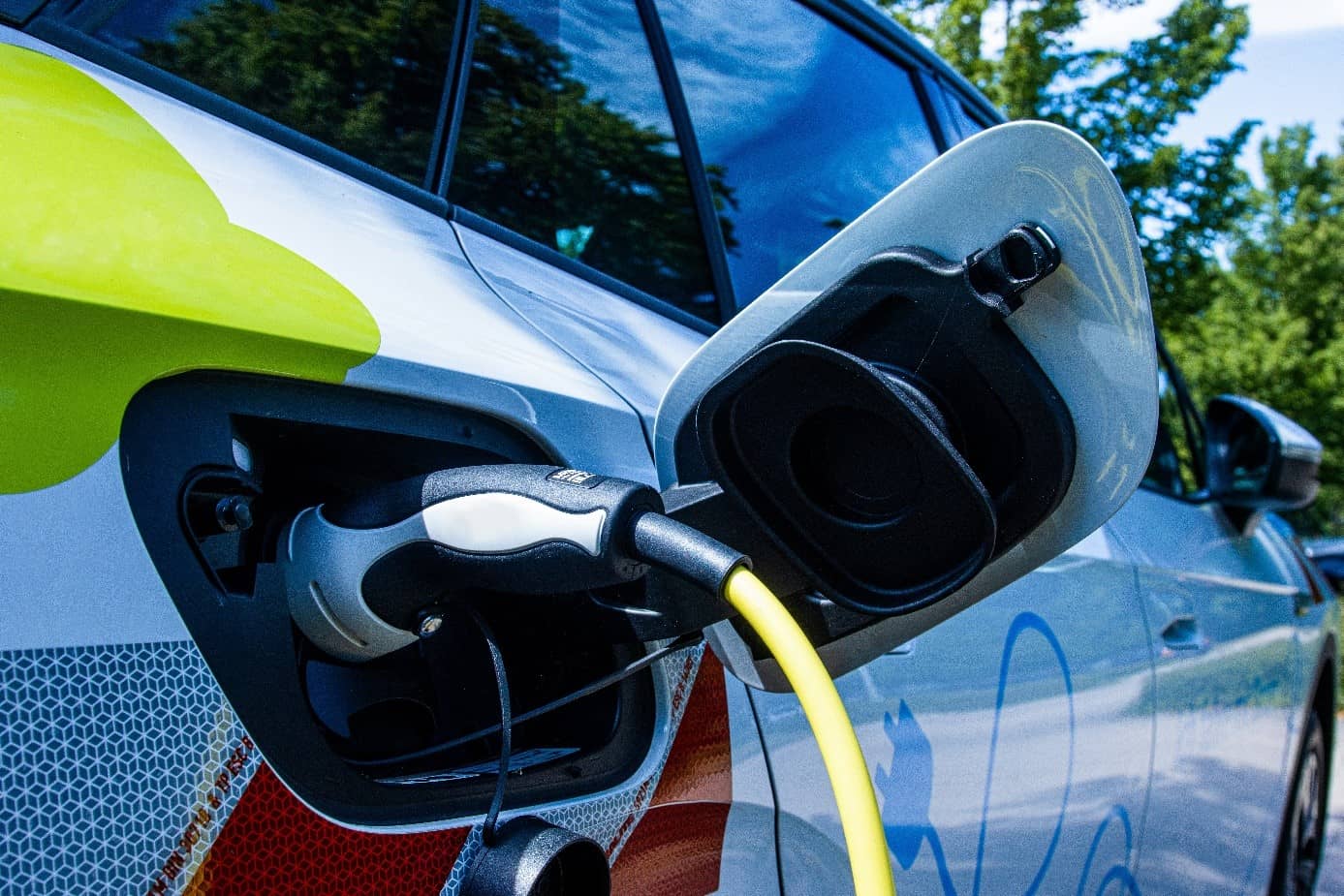
As electric vehicles continue to gain popularity around the world, EV charging networks have become a very critical part of modern transportation infrastructure. Such networks provide the backbone that keeps EV owners charging their vehicles conveniently at homes, workplaces, and public locations.
Whether you are a first-time EV buyer, a fleet manager, or just researching sustainable transportation options, having a clear understanding of how EV charging infrastructure functions can be helpful to you in your decision-making process. This ultimate resource guide covers all aspects from charger types and popular charge point providers to pricing options and what the future holds.
What Are EV Charging Networks?
EV chagring netowoirks comprise intenrectoted systems ofr managang elletrick veilclef chagring stations by entities or utilities. These systems
Charging Networks can be:
Public (open to everyone)
Private (for home, business, or fleets)
Semi-public (hotels, malls
They are imperative for the reduction of range-related anxiety and the accelerated adoption of electric vehicles.
Types of EV Chargers in Charging
Aroundersding of charger types is increate for proper chooseIng and using
Level 1 Charging
Uses standard 120V outlets
Slowest ch
Adds ~3 to 5 miles in range per hour
Ideal for overnight home charging
Level 2 Charging
Utilizes 240
Common in homers and Login
Enhances ~20–40 miles of ranNge per
Ideal for daily use
DC Fast Charging (Level 3)
High Power Charging (50 kW–350 kW)
Adds up to 80% charge in 20-40 menu
F�VISION Accelerator Four Fund on hi
a
Best for long distance
How EV Charging & Newtorks Wo Functions of the EV charging infrastructure are carried out by the integration of hardware, software, and energy
- Driver locates a station using a mobile app or vehicle navigation
- Authentication via app, RFID card, or QR code
- Charging session begins once the vehicle is connected
- Payment processing based on kWh, time, or subscription
- Session data recorded for monitoring and optimization
Many networks also offer real-time availability, route planning, and charging speed information.
Major EV Charging Network Providers
Some of the most popular EV charging networks globally include:
Tesla SupearcHarger Netwoork - Exclubsave to Tesla vehicles
ChargePoint – One of the largest globally public chagrin
Ego – Primarily focused on Fast Charging in Urban Areas
Electrify America - High-speed DC Fast Ch
Shell Recharge – Expanding global EV infrastructure
Each provider varies in charger availability, pry
Charging Network Pricing Models - EV Ch
Today,
The cost to charge eVs also varis based
Per unit charging: Per unit or pricing, referring to
Time-based pricing – Pay per minute of charging
Subscription plans - Mo
Free charging - Some businesses and hotels may offer this Fast charging is always more expensive thand Level 2 charging but takes less time while traveling.
Advantages of EV Charging Networks
Ashar
EV Charging networks have various advantages for both road users and cities:
Decreased range and
Convenient access tⒹ o c
Supports sustainable transport
Promotes the adoption of EV
Enables smart grid and energy optimization
In businesses, installing EV charging points can also attract consumers and build positive brands.
Challenges Facing EV Ch
Despite the fast growth, charging infrastructure for EVs is facing issues like:
Availability of chargers in Rural areas
High installation and maintenance co
Compatibility problems between vehicles and chargers
Grid capacity constraints the government and private companies are actively working to remove these obstacles to facilitate innovation
Future of EV Charging Networks
The future of EV charging networks looks promising, driven by advancements such as:
- Ultra-fast charging technologies
- Wireless and inductive charging
- Vehicle-to-grid (V2G) integration
- AI-powered charging management
- Increased renewable energy usage
As EV adoption grows, charging networks will become faster, smarter, and more accessible.
Networks"
The future of electric vehicle (EV) charging networks will be defined by a fundamental shift from simple refueling stations to intelligent, integrated energy ecosystems. The current landscape, often characterized by fragmented reliability and uneven geographic distribution, is poised for a revolution driven by technological convergence. The key lies in moving beyond the "gas station model" to a seamless, user-centric experience. This will be powered by ultra-fast charging, with upcoming 350kW+ stations enabling "gas station" speed stops, and predictive software that directs drivers to optimally available chargers, handles payment automatically, and even schedules charging during low-demand periods. The charging port will evolve into a data port, with the vehicle communicating directly with the grid to manage energy flow efficiently.
This transformation will be underpinned by the deep integration of charging infrastructure with the broader energy grid, unlocking unprecedented stability and sustainability. Future networks will function as a massive, distributed battery system through bi-directional charging, or vehicle-to-grid (V2G) technology. During peak demand, millions of EV batteries could feed stored energy back into the grid, smoothing out fluctuations caused by renewable sources like solar and wind. This turns a perceived grid burden into a critical asset for decarbonization. Furthermore, the proliferation of smart charging at home, work, and public curbsides will shift demand to off-peak hours. This intelligent management, coupled with onsite renewable generation like solar canopies at charging hubs, will ensure the electricity powering EVs is increasingly green and cost-effective, creating a virtuous cycle for clean energy adoption.
Ultimately, the most profound change will be the near-invisible ubiquity of charging, dissolving "range anxiety" into ambient convenience. Wireless inductive charging, embedded in parking spots at shopping centers, taxi ranks, and even roadways, will allow for automatic top-ups without any human intervention. This will be complemented by a dramatic expansion of curbside charging in urban areas, transforming lampposts and sidewalks into accessible power sources for those without private garages. As standardization improves and governments enforce interoperability, the driver's experience will become effortless. The network of the future will not be something drivers actively seek, but a reliable, smart, and omnipresent layer of infrastructure that supports electric mobility as seamlessly as the internet supports information—always on, connected, and empowering the journey.
Frequently Asked Questions (FAQs)
Q1: What is an EV charging network composed of?
The EV Charging Network is a network of connected EV Chargingg Points connected to a common EV Charging Network, wherein the facility of charging their vvehicles is provided to the owners.
Q2 Are EV charging infrastructure networks free to use?
Some charging stations are free, but most stationaries charge for the network of public EVs based on usage, time, or membership-based systems.
Q3 Which is the best electric car charging network?
Depending on your location, the type of vehicle, charging speed, and price, the best network will differ.
Comments
More Blogs
Explore more articles that you may find interesting.
