The Future of Health Insurance: Why Preventative, Tech-Driven Care Could Be a Win-Win for Everyone
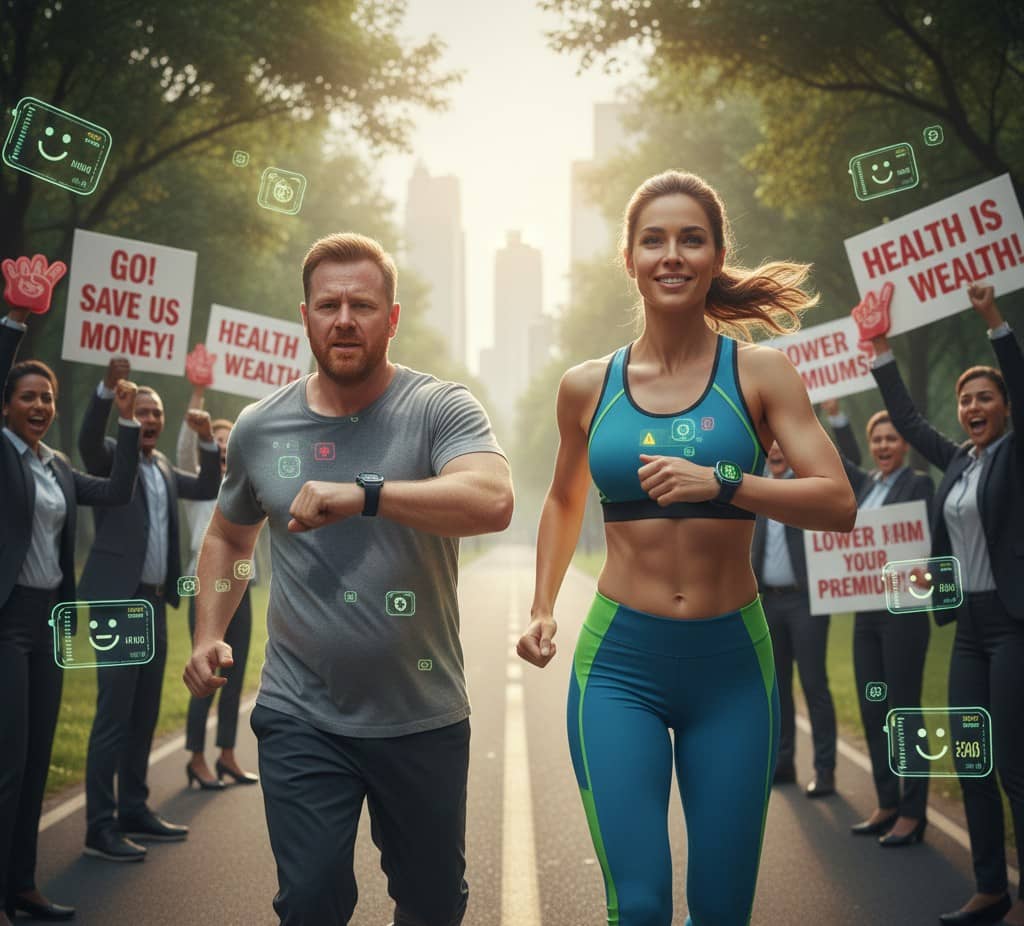
Rethinking Health Insurance Through Preventative, Technology-Driven Models
The U.S. healthcare system continues to grapple with the dual challenge of escalating costs and uneven health outcomes. Traditional insurance structures tend to reward treatment rather than prevention, perpetuating a costly cycle of chronic disease management. Emerging health technologies—such as wearable sensors and smart monitoring devices—offer a potential paradigm shift: a model in which continuous, real-time health data can guide preventative care and incentivize healthy behaviors.This concept, often referred to as Value-Based Care within the broader domain of Insurtech, aligns the interests of insurers, providers, and patients.
By integrating wearable data into health management systems, insurers could theoretically reduce claims costs while improving members’ health outcomes. Yet despite the apparent economic logic, the widespread implementation of this model remains constrained by several systemic barriers.The Promise of Data-Driven Preventative HealthWearable technology provides continuous streams of physiological data—heart rate, body temperature, oxygen saturation, sleep quality, and physical activity metrics. When integrated responsibly, such data can be used to identify deviations from normal baselines before they develop into costly medical conditions.
An insurer could, in principle, use these insights to design adaptive coverage models. For example, policyholders with consistently healthy biometric indicators might qualify for premium reductions, whereas those exhibiting deterioration could receive early interventions such as lifestyle coaching, nutrition support, or subsidized wellness activities.This approach promises a "shared savings" model: customers maintain better health, and insurers avoid high-cost claims resulting from preventable diseases.
Barriers to Implementation
Despite its appeal, the transition toward technology-driven preventative care encounters significant institutional, economic, and ethical challenges.
Member Turnover and Short-Term Incentives
The average enrollee changes insurance providers every three to five years, largely due to employment transitions. Preventative investments, such as subsidized gym memberships or wearable devices, yield returns only over extended periods. Consequently, insurers face little financial incentive to fund long-horizon health improvements that may benefit a competitor after a policyholder switches plans.
Regulatory and Privacy Constraints
Regulatory frameworks—most notably the Health Insurance Portability and Accountability Act (HIPAA) and the Genetic Information Nondiscrimination Act (GINA)—restrict insurers’ ability to adjust premiums or coverage terms based on personal health data. These laws safeguard against health-related discrimination but simultaneously limit insurers’ capacity to employ dynamic, data-driven pricing models. Moreover, consumer concern over data privacy presents both an ethical and logistical barrier, as individuals may resist sharing sensitive biometric information with corporate entities.Structural Misalignment with
Government Programs
In the United States, private insurers primarily cover working-age adults. Upon reaching age 65, individuals transition to Medicare, effectively transferring long-term healthcare risk to the federal government. Private insurers thus have limited motivation to invest in preventative strategies that demonstrate significant returns only in later life stages.Technological Limitations and Clinical Interpretation
While wearable devices provide valuable physiological indicators, they remain imperfect proxies for comprehensive medical diagnosis. Anomalous heart rate data, for instance, may signal anything from benign stress to serious cardiac dysfunction. Such ambiguity necessitates medical consultation and diagnostic testing, preserving the need for traditional medical expertise.Cultural and Behavioral Resistance
Widespread adoption also depends on cultural transformation. Many individuals still engage with healthcare reactively—visiting physicians only after symptoms appear—rather than embracing continuous, preventative monitoring as part of daily life. Sustained behavioral change requires education, trust, and a redefinition of personal responsibility for health.Emerging
Models and Pilot Programs
Although structural obstacles persist, several organizations have begun experimenting with technology-enabled wellness integration.John Hancock Vitality Program: Incorporates wearable data into life insurance policies, offering premium discounts and rewards for users who meet physical activity and health goals.UnitedHealthcare Rewards: Provides up to $1,000 annually to participants who achieve sleep and exercise benchmarks tracked via smart devices.
Self-Insured Employers:
Corporations such as Google and Amazon, which manage their own employee health plans, have embraced wellness investments including fitness facilities, mental health resources, and subsidized lifestyle programs. For these organizations, long-term employee health translates directly into productivity and retention benefits.These initiatives collectively illustrate a gradual transition toward integrated, preventative health ecosystems—albeit primarily within controlled, private contexts.ConclusionWhile the theoretical advantages of linking health insurance to continuous biometric monitoring are substantial, the practical transition remains constrained by economic incentives, privacy concerns, and regulatory boundaries. Nonetheless, the underlying logic of prevention—supported by advancements in wearable technology—represents a transformative opportunity for both public and private healthcare systems.Ultimately, success will depend on balancing innovation with ethics: ensuring that data-driven health management respects individual rights while enabling collective savings. If these challenges can be overcome, the convergence of technology, policy, and behavior could indeed yield the "win-win" scenario long envisioned for modern healthcare.
Comments
More Blogs
Explore more articles that you may find interesting.
