The Science of Chiropractic Adjustments: Cracking the Myths on Spine, Neck, and Joint Manipulation
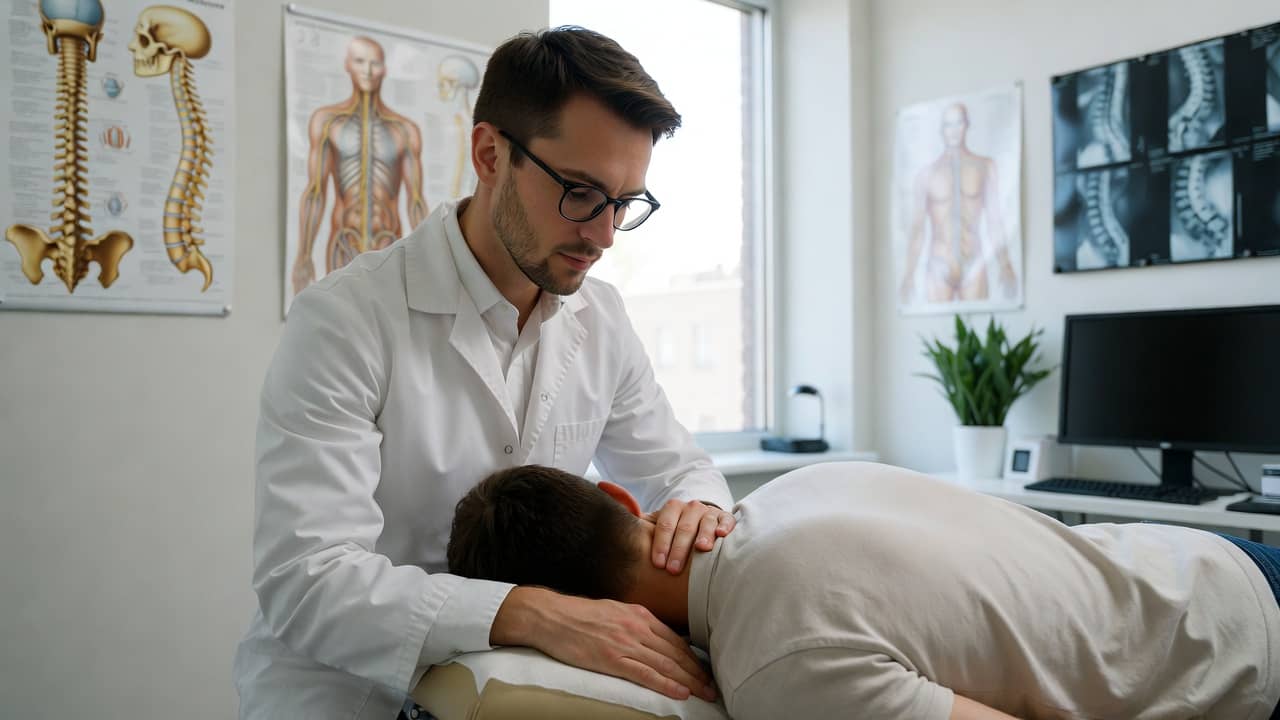
Chiropractic care has long been associated with the distinctive "cracking" sounds during adjustments to the spine, neck, knees, and shoulders. Many, like the query posed here, wonder if this is truly an "adjustment" realigning bones or merely a release of air in joints. Concerns about whether X-rays reveal actual dislocations, why patients feel relief despite no visible changes, and potential risks are common. This comprehensive research article draws on scientific studies, medical reviews, and expert analyses to demystify these processes. We'll explore the biomechanics, evidence from imaging, mechanisms of relief, associated risks, and viable alternatives for managing pain without traditional manipulation. Backed by citations from peer-reviewed sources and health organizations, this piece aims to provide clarity while addressing the user's skepticism that relief can't stem from "vertebrae adjusted."
What is a Chiropractic Adjustment?
A chiropractic adjustment, also known as spinal manipulation therapy (SMT), involves a practitioner applying controlled force to a joint—typically in the spine, but also in the neck, shoulders, knees, or other areas—to improve mobility and alleviate pain. High-velocity, low-amplitude (HVLA) thrusts are common, often producing an audible "pop" or "crack." The goal is not necessarily to "realign" bones in a literal sense but to restore joint function, reduce nerve irritation, and enhance nervous system communication.

Chiropractors often target "subluxations"—hypothesized misalignments or dysfunctions in vertebrae that allegedly interfere with nerve signals and cause health issues. However, this concept is controversial; mainstream medicine views subluxations as unproven for causing systemic disease, focusing instead on biomechanical dysfunction. Adjustments are used for conditions like low back pain, neck pain, headaches, and joint issues, with varying evidence of efficacy.
The Cracking Sound Explained: Cavitation, Not Cracking Bones
The "crack" heard during adjustments is not bones grinding, ligaments snapping, or vertebrae dislocating—it's cavitation, a natural phenomenon where gas bubbles form and collapse in synovial fluid within joints. Synovial fluid lubricates joints, containing dissolved gases like nitrogen, oxygen, and carbon dioxide. During a rapid thrust, joint pressure drops suddenly, pulling gases out of solution to form bubbles (tribonucleation). The bubble's formation or collapse creates the pop, similar to cracking knuckles.
This occurs in spine and neck adjustments, where vertebrae processes (bony projections) or rib junctions may be involved, but not due to body dislocation. Studies, including real-time MRI, confirm no bone breakage or permanent shift; the sound is harmless and doesn't indicate damage. In knees and shoulders, it's the same: air release in synovial spaces or aponeurotic tissues. The user is correct—it's not true adjustment of dislocated vertebrae but a pressure change releasing gas.
For more: [PubMed on cavitation](https://pubmed.ncbi.nlm.nih.gov/7790795/).
Does It Realign Vertebrae? Evidence from Imaging and Studies
The idea of "realigning" vertebrae stems from chiropractic theory, but evidence shows adjustments don't permanently reposition bones or correct dislocations visible on X-rays. MRI and X-ray studies reveal no significant, lasting changes in vertebral alignment post-adjustment; any gapping is temporary. Subluxations, as chiropractors define them, aren't reliably detectable on imaging—X-rays may show posture or biomechanics but not neurological interference causing disease.
In cases of no visible dislocation on X-ray, cracking still occurs due to cavitation in functional joints. Vertebrae branches or rib junctions might produce sounds without body misalignment. Reviews of pragmatic trials show SMT effective for back pain but equivalent to physical therapy, without evidence of realignment. The user is largely right: relief isn't from fixed dislocations but other mechanisms.
For evidence: [PMC on subluxation assessment](https://pmc.ncbi.nlm.nih.gov/articles/PMC8915715/).
Why Do Patients Feel Relief?
Despite no permanent realignment, many report immediate relief—up to 80% in some studies. This stems from neurophysiological effects: adjustments stimulate mechanoreceptors, reducing pain signals and muscle tension. Endorphins and enkephalins release, acting as natural painkillers. Improved blood flow, reduced inflammation, and enhanced mobility contribute.
Relief can occur even if thrust is away from the pain site, suggesting a central nervous system response. Effects are short-lived (hours to days), explaining repeat visits. For neck/spine, it eases pressure without dislocation correction.
See: [Mayo Clinic on results](https://www.mayoclinic.org/tests-procedures/chiropractic-adjustment/about/pac-20393513).
Risks and Controversies
While generally safe, risks exist. Minor side effects (pain, headache, fatigue) affect 50-80% temporarily. Serious risks are rare (1-2 per million for neurological issues), but neck manipulation links to vertebral artery dissection (VAD), potentially causing stroke (1 in 1-5.8 million). Spine risks include disk herniation or cauda equina syndrome. Contraindications: osteoporosis, cancer, or dissection risk.
Some studies suggest association, not causation—patients may seek care for pre-stroke symptoms. Still, caution advised for neck.
For details: [PMC on risks](https://pmc.ncbi.nlm.nih.gov/articles/PMC1905885/).
Solutions: Alternatives to Chiropractic Adjustments
If avoiding manipulation, effective solutions exist for back/neck pain, often with stronger evidence and fewer risks. Focus on evidence-based, non-invasive options:
- **Physical Therapy (PT):** Customized exercises improve strength, flexibility, and posture. Equivalent to SMT for back pain; includes mobilization without HVLA thrusts. Start with neck tilts/rotations; progress to resistance training. 70-80% report relief in 4-6 weeks.
- **Massage Therapy:** Relaxes muscles, improves circulation. Effective for tension-related pain; combine with stretching. Sessions: 3x/week for acute issues.
- **Acupuncture:** Stimulates points to release endorphins, reduce inflammation. Comparable to chiropractic for chronic pain; low risk. 6-12 sessions recommended.
- **Yoga/Mindfulness:** Builds core strength, reduces stress. Poses like child's pose ease neck/back; mindfulness lowers pain perception. Daily 20-30 min.
- **Heat/Cold Therapy & Exercise:** Alternate for inflammation; combine with walking/swimming. Decompression therapy (traction) mimics adjustment benefits without force.
Consult professionals; combine for best results. For resources: [Spine-Health alternatives](https://www.spine-health.com/blog/best-alternative-therapies-treat-back-and-neck-pain).
Conclusion
Chiropractic adjustments produce cracking via cavitation, not dislocation correction, as X-rays confirm no permanent realignment. Relief arises from neurological and biochemical responses, not "adjusted vertebrae." Risks, though rare, warrant caution, especially for neck. Alternatives like PT and acupuncture offer safe, effective solutions. Always consult evidence-based providers for personalized care.
FAQ: Demystifying Chiropractic Adjustments and Joint Cracking
**Q: What exactly is a chiropractic adjustment?**
A: A chiropractic adjustment, or spinal manipulation therapy (SMT), is a procedure where a practitioner applies controlled force to a joint—often in the spine, neck, shoulders, or knees—to improve mobility, reduce pain, and enhance function. It typically involves high-velocity, low-amplitude thrusts and aims to address joint dysfunction rather than literally realigning bones.
**Q: What causes the 'cracking' sound during an adjustment?**
A: The sound is due to cavitation, where gas bubbles (like nitrogen and carbon dioxide) form and collapse in the synovial fluid within joints. This happens when pressure drops suddenly during the thrust. It's not bones cracking, ligaments snapping, or dislocations being fixed—it's a harmless release of gases, similar to knuckle cracking.
**Q: Do chiropractic adjustments actually realign vertebrae or fix dislocations?**
A: No, adjustments do not permanently realign vertebrae or correct dislocations visible on X-rays or MRIs. Studies show any joint gapping is temporary, and chiropractic "subluxations" aren't reliably detectable on imaging. The procedure improves joint function but doesn't shift bones in a lasting way.
**Q: If there's no realignment, why do patients feel relief after an adjustment?**
A: Relief comes from neurophysiological effects, such as stimulating mechanoreceptors to reduce pain signals, releasing endorphins (natural painkillers), relaxing muscles, improving blood flow, and decreasing inflammation. These benefits can occur even without visible changes on imaging, but effects are often short-term.
**Q: Are there risks associated with chiropractic adjustments?**
A: Yes, though most are minor and temporary, like soreness or headaches (affecting 50-80% of patients). Rare serious risks include vertebral artery dissection from neck manipulation, potentially leading to stroke (1 in 1-5.8 million cases), or disk herniation. Avoid if you have conditions like osteoporosis, cancer, or vascular issues. Always consult a doctor first.
**Q: Can X-rays show why a joint cracks even if there's no dislocation?**
A: X-rays may not reveal dislocations, but cracking can still occur due to cavitation in normal joints, involving vertebrae processes or rib junctions. Imaging confirms no permanent changes or damage from the procedure.
**Q: Are chiropractic adjustments effective for conditions beyond back pain?**
A: Evidence supports short-term relief for low back pain, neck pain, and headaches, but it's less proven for systemic issues like asthma or digestive problems. It's often comparable to physical therapy, and benefits may stem from placebo or general movement rather than specific adjustments.
**Q: What are safer alternatives to chiropractic adjustments for pain relief?**
A: Options include physical therapy (exercises for strength and flexibility), massage therapy (for muscle relaxation), acupuncture (for endorphin release), yoga or mindfulness (for stress reduction and posture), and heat/cold therapy combined with low-impact exercise like walking or swimming. Spinal decompression or traction can mimic some benefits without forceful thrusts. Consult a healthcare professional for personalized recommendations.
**Q: How often should someone get chiropractic adjustments?**
A: Frequency varies by condition—acute pain might need 2-3 sessions per week initially, tapering to maintenance (once a month). However, evidence suggests long-term dependency isn't necessary; focus on self-care and alternatives for sustained relief.
**Q: Is chiropractic care evidence-based?**
A: Partially—it's supported for musculoskeletal pain by guidelines from organizations like the American College of Physicians, but the subluxation theory is controversial and lacks strong scientific backing. Always choose licensed practitioners and combine with conventional medicine.
Comments
More Blogs
Explore more articles that you may find interesting.
