The Temporal Architecture of Human Metabolism: Chrononutrition and the Systemic Transformation of Modern Humanity
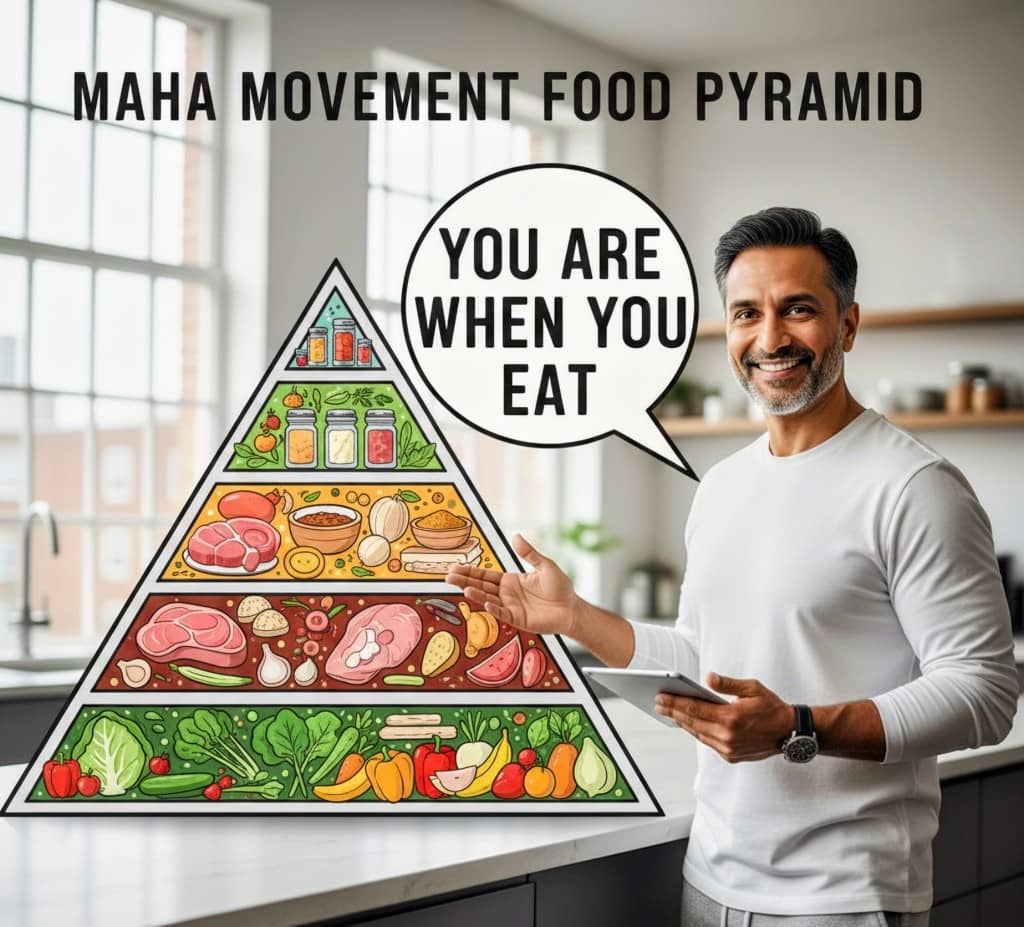
The contemporary understanding of human health is undergoing a fundamental shift, moving away from a purely caloric-centric model toward a chronobiological paradigm. For decades, the nutritional sciences have been dominated by the maxim "you are what you eat," focusing almost exclusively on the chemical composition and energy density of food. However, emerging research suggests that this perspective is incomplete. The temporal dimension of nutrient intake—encapsulated in the burgeoning field of chrononutrition—posits that the physiological impact of a meal is dictated as much by the time of day it is consumed as by its nutritional quality. This synthesis of biology and time reveals that the human body is not a static furnace but a rhythmic engine, optimized for specific metabolic tasks at precise points in the 24-hour cycle.
At the center of this revolution is the realization that the body’s internal timekeeping system, the circadian clock, exerts profound control over every aspect of digestion, absorption, and assimilation. This system consists of a master clock in the suprachiasmatic nucleus (SCN) and peripheral clocks situated in metabolic tissues such as the liver, skeletal muscle, and gut. While the SCN is primarily entrained by light, the peripheral clocks are synchronized through feeding schedules, creating a complex interplay where meal timing acts as a primary "zeitgeber" or time-giver for metabolic homeostasis. When this alignment is disrupted by modern lifestyle factors—such as late-night eating, shift work, or chronic overconsumption in the evening—the resulting circadian misalignment triggers a cascade of metabolic dysregulation, promoting obesity, insulin resistance, and systemic inflammation.
Chrononutrition: The "When" as the New Biological Constant
The field of chrononutrition explores how aligning food intake with the body's natural circadian rhythms can optimize health outcomes and mitigate chronic disease risks. This discipline is built on the premise that biological functions do not occur at a constant rate but follow a 24-hour oscillation. For instance, glucose tolerance and insulin sensitivity peak during the daylight hours and decrease significantly as the body prepares for the dark phase. Similarly, the thermic effect of food—the energy expended to process a meal—is higher in the morning compared to the evening. This suggests that the metabolic "cost" of eating is time-dependent, favoring early energy intake.
Scientific inquiry into chrononutrition behaviors, such as breakfast skipping and late-night snacking, has revealed that "when you eat" may be the missing variable in the obesity epidemic. Large-scale observational studies and genome-wide association studies (GWAS) involving over 200,000 participants have established a causal link between breakfast skipping and an increased risk of obesity and metabolic syndrome. These findings challenge the notion that total daily calories are the sole determinant of weight management. Instead, they point to a sophisticated biological infrastructure that expects nutrient delivery at specific intervals. When meals are consumed late at night, when the body's digestive capacity is diminished and melatonin levels are elevated, the metabolic processing of those nutrients is impaired, leading to higher postprandial glucose and insulin levels.
The argument that "you are when you eat" gains further weight from the study of "metabolic flexibility"—the body's ability to switch between using carbohydrates and fats as energy sources. Prolonged morning fasting or irregular meal timing can degrade this flexibility, making individuals more susceptible to type 2 diabetes and cardiovascular disease. By contrast, consistent meal schedules that align with the circadian clock appear to maintain the robustness of peripheral clocks, ensuring that metabolic hormones and enzymes are secreted at the optimal time for nutrient processing. This synchronization is essential for maintaining energy balance and preventing the "hum" of chronic low-grade inflammation that characterizes modern metabolic disorders.
Early Time-Restricted Eating and the Superiority of Morning-Oriented Consumption
A prominent strategy within chrononutrition is Early Time-Restricted Eating (eTRE), which involves concentrating food intake into a narrow window in the morning and early afternoon. This practice typically entails eating a substantial breakfast and ending the day's intake by mid-afternoon, effectively skipping dinner. The benefits of eTRE are increasingly documented in clinical trials, where it has been shown to improve body composition, blood pressure, and glycemic control even when calorie intake remains identical to control groups. For example, participants following an eTRE schedule for as little as four days have shown significant decreases in 24-hour mean glucose levels and glycemic excursions.
The physiological advantage of shifting calories to the morning is driven by the body's heightened sensitivity to insulin during the early hours of the day. A landmark randomized controlled trial comparing a high-calorie breakfast (700 kcal) with a high-calorie dinner (700 kcal) found that the "breakfast group" lost significantly more weight and had greater reductions in waist circumference than the "dinner group," despite both groups consuming 1,400 total calories per day. Furthermore, the group consuming the majority of their calories in the morning exhibited a 33.6% decrease in triglyceride levels, while the late-eating group actually saw a 14.6% increase. This divergence highlights that the body’s lipid metabolism is also under circadian control, favoring fat clearance and utilization in the early biological day.
The "skip dinner" approach associated with eTRE facilitates an extended overnight fast that aligns with the biological rest period. During this phase, the reduction in insulin levels allows for the mobilization of fatty acids and the initiation of cellular repair processes. Late-night eating, conversely, disrupts this cycle by maintaining high insulin levels into the night, which inhibits lipolysis and promotes fat storage. Furthermore, consuming food near bedtime, when melatonin levels are high, creates a state of metabolic conflict. Melatonin has been shown to reduce the ability of the pancreas to secrete insulin, meaning that late-night carbohydrates are processed in a "diabetogenic" environment, characterized by prolonged hyperglycemia.
The Molecular Machinery of Fasting: Autophagy, Sirtuins, and Mitochondrial Dynamics
The benefits of intermittent fasting and time-restricted eating are not limited to weight management but extend into the deep molecular architecture of the cell. One of the most critical processes activated during fasting is autophagy, a self-cleaning mechanism where the cell identifies and degrades misfolded proteins and damaged organelles. This "cellular recycling" is essential for preventing the buildup of biological waste that drives aging and chronic disease. Research into eTRE has shown that confining the eating window increases the expression of key autophagy genes, such as LC3A, and stress-response genes like SIRT1.
Sirtuins, particularly SIRT1, are a family of proteins that play a vital role in longevity and metabolic regulation. SIRT1 is often referred to as a "longevity gene" because it enhances DNA repair and regulates mitochondrial function in response to nutrient scarcity. In clinical studies of eTRE, higher levels of SIRT1 expression were detectable in as little as four days, suggesting that temporal restriction acts as a potent signal to the body’s survival and maintenance pathways. This metabolic state, triggered by the depletion of liver glycogen and the subsequent rise in ketones, represents an evolutionarily conserved "metabolic switch". This switch shifts the body's priority from growth and storage—mediated by the mTOR pathway—toward resilience and cellular protection.
The impact of this molecular reprogramming is also seen in mitochondrial efficiency. Mitochondria, the energy-producing organelles in the cell, follow their own circadian rhythms. Timing food intake to coincide with the daylight hours aligns with the mitochondria's peak oxidative capacity, leading to more efficient ATP production and reduced oxidative stress. Conversely, late-night eating can cause mitochondrial fragmentation and reduced efficiency, contributing to the development of metabolic syndrome and non-alcoholic fatty liver disease (NAFLD). By providing consistent periods of fasting, individuals can improve their mitochondrial "quality control," ensuring that damaged mitochondria are removed (mitophagy) and replaced by healthy ones.
Evaluating the Mitigation of Ultra-Processed Food Effects Through Circadian Alignment
A compelling aspect of the "timing is everything" argument is the potential for meal timing to mitigate the harms of a less-than-ideal diet. This hypothesis suggests that even lower-quality, energy-dense foods may be less damaging if consumed within a restricted early window. Animal models have provided the strongest evidence for this, showing that mice fed a high-fat, high-sugar diet within an 8-hour window during their active phase were protected against the metabolic impairments observed in mice eating the same diet around the clock. In these studies, time-restricted feeding prevented obesity, improved glucose tolerance, and reduced inflammation, regardless of the poor food quality.
In humans, the interaction between timing and food quality is more nuanced but follows a similar logic. Early time-restricted eating has been shown to improve fat oxidation and reduce markers of inflammation even in participants who do not change the composition of their diet. This suggests that the metabolic stress of processing ultra-processed foods (UPFs) is better managed when the body’s enzymes and hormonal signals are at their circadian peak. Furthermore, a restricted eating window naturally reduces the consumption of "discretionary" evening foods—such as snacks and alcohol—which are often highly processed and calorically dense.
However, experts caution that while timing is a powerful modulator, it cannot entirely erase the physiological "insult" of a highly processed diet. Diets dominated by UPFs are consistently linked to elevated levels of high-sensitivity C-reactive protein (hs-CRP), a robust marker of chronic systemic inflammation and a predictor of cardiovascular disease. Research indicates that participants consuming 60% to 79% of their daily calories from UPFs have an 11% higher likelihood of elevated hs-CRP levels compared to those in the lowest intake group. These foods often contain additives and emulsifiers that disrupt the gut microbiome and enhance intestinal permeability, triggers for inflammation that timing alone may not fully resolve. Thus, the integration of chrononutrition with high-quality, whole foods represents the most effective blueprint for human health.
The Chronic Disease Epidemic: A National Crisis and the MAHA Mandate
The degradation of human health in the modern era has reached what policy experts describe as an "existential crisis" for nations like the United States. Statistics reveal that 6 in 10 Americans suffer from at least one chronic disease, while nearly 40% are diabetic or prediabetic. This epidemic is increasingly striking the youngest generations, with 1 in 4 children suffering from allergies and rates of childhood obesity and neurodevelopmental disorders rising to unprecedented levels. In response, the "Make America Healthy Again" (MAHA) initiative, spearheaded by Health Secretary Robert F. Kennedy Jr., seeks to reform the nation's food, health, and scientific systems.
The MAHA strategy focuses on identifying and eliminating the root causes of these chronic conditions—such as the overconsumption of ultra-processed foods, environmental toxins, and the disruption of the gut microbiome—rather than merely treating symptoms. Central to this reform is the demand for "radical transparency" within federal agencies like the FDA and NIH, which many critics argue have been compromised by corporate interests. By overhauling the "Generally Recognized as Safe" (GRAS) standards and phasing out petroleum-based food dyes and other synthetic chemicals, the initiative aims to restore the integrity of the food supply and protect the biological development of future generations.
Furthermore, the MAHA commission emphasizes the importance of metabolic health and nutrition as the foundation of national strength. This includes updating the Dietary Guidelines for Americans to prioritize wholesome foods and encouraging states to restrict the purchase of sugary drinks and candies through the SNAP program. The strategy also identifies "overmedicalization" and the lack of physical activity as key drivers of the crisis, calling for Surgeon General initiatives on screen time and the expansion of access to reliable nutrition information for parents. This holistic approach recognizes that a "healthy and strong" nation is one where the citizenry’s biology is aligned with its environment rather than in a state of constant metabolic friction.
Navigating the Autism Surge: Neurodivergence and the Next Generation of Humanity
Among the most dramatic shifts in human biology is the rising prevalence of autism and its spectrum, which has surged to 1 in 31 American children as of 2025. This dramatic change has sparked a debate over whether it represents a worsening health crisis or the emergence of a new "brain nature" in the next generation of humanity. Proponents of the MAHA movement argue that this surge is largely driven by environmental triggers—including exposure to neurotoxic chemicals, toxins in the water supply, and the degradation of the microbiome—which interfere with fetal and early childhood neurodevelopment.
The gut-brain axis is a primary focus of this research. There is growing evidence that disturbances in the gut microbiome can profoundly influence brain function, behavior, and cognitive development. Chronic exposure to ultra-processed foods and chemical additives may be altering the delicate balance of intestinal metabolites—such as short-chain fatty acids (SCFAs)—which are essential for maintaining the blood-brain barrier and regulating neuroinflammation. In this context, the attributes often associated with autism may be the brain's adaptation to a nutrient-deficient or toxin-rich environment, potentially leading to changes in neural density and connectivity.
Alternatively, some observers view these neurobiological shifts as a step in human evolution toward a more specialized, information-intensive way of interacting with the world. While the underlying causes—whether biological, environmental, or even geophysical—remain a subject of intense investigation, the practical reality is a generation that processes information and social cues differently than its predecessors. This has significant implications for how society structures education, family life, and social interaction. The MAHA commission has pledged to conduct comprehensive research into these neurodevelopmental shifts, including the connection between oral microbiome health, nutrition, and cognitive development, to better understand and support the "next generation" of human biology.
The Anthropocene and the Cosmos: Systemic Drivers of Biological Transformation
The changes observed in humanity do not occur in a vacuum but are part of a broader shift in the Earth's ecological and geophysical environment. Issues such as sweet water deficiency, soil depletion, and the ubiquitous presence of microplastics and synthetic chemicals create a backdrop of "cumulative exposure" that stressors human physiology in unprecedented ways. The MAHA strategy explicitly targets these environmental drivers, calling for updated water quality standards and the promotion of soil health through "precision agriculture". This recognizes that human health is inextricably linked to the vitality of the Earth's systems, from the microorganisms in the soil to the purity of the aquifers.
More speculative but increasingly discussed are the potential influences of cosmological factors on human biology. Changes in the Earth's magnetic field, fluctuations in solar activity, or even slight shifts in the Earth's axis have historically been associated with transitions in planetary health and biological activity. While clinical research in this area is less mature than in chrononutrition, the fundamental principle of "circadian alignment" suggests that all life on Earth is tuned to larger celestial rhythms. If these external rhythms are shifting, it is biologically plausible that human neurobiology and metabolic systems would experience a corresponding recalibration.
These systemic shifts may explain the reported changes in youth behavior, including a decreased interest in building families and a perceived lack of proactivity in social and romantic engagement. Modern lifestyles—marked by sleep deprivation, screen time, and chronic metabolic stress—can lead to emotional dysregulation and the impairment of neurotransmitters like serotonin and dopamine, which are essential for social bonding and proactive behavior. The MAHA framework addresses these "mental health challenges" by prioritizing pediatric mental health and investigating the societal impact of constant digital exposure and overmedicalization. By restoring biological rhythms through nutrition and environmental stewardship, the initiative aims to rekindle the social and reproductive vitality of the upcoming generations.
Reforming Medical Education: The Role of Artificial Intelligence and Nutrition Science
To implement a systemic health transformation, the medical profession itself must evolve. Currently, many medical schools provide limited training in nutrition, metabolic health, and chronobiology, focusing instead on pharmacological interventions for existing diseases. The MAHA movement and various legislative efforts, such as the HEAL A.I. Act, are pushing for a standardized educational framework that incorporates these "root cause" disciplines into the medical curriculum. This includes teaching future doctors how to leverage artificial intelligence for earlier diagnosis and personalized metabolic monitoring.
AI is viewed as a critical tool for navigating the complexity of modern chronic disease, enabling researchers and clinicians to link multiple datasets—including electronic health records, claims data, and wearable sensors—into a single integrated platform. This "Real World Data Platform" could allow for the identification of subtle environmental and dietary triggers for conditions like autism, cancer, and heart disease that traditional clinical trials may overlook. However, the use of AI in medicine must be grounded in ethical principles that prioritize "patient safety, transparency, and accuracy," as emphasized by the American Medical Association (AMA).
Standardizing AI literacy and nutrition education ensures that the next generation of healthcare providers is equipped to guide patients toward metabolic resilience. This means moving beyond a "one-size-fits-all" approach to dietary advice and embracing the nuances of chronotypes and individual biological rhythms. By training doctors to understand the "zeitgeber effect" of meal timing and the molecular impact of fasting, the healthcare system can transition from a "sick-care" model to a true "well-care" model, empowering individuals to take control of their own health outcomes.
Synthesizing a Healthier Future: Policy, Behavior, and the Survival of the Species
The argument that "you are when you eat" is more than a dietary hack; it is a profound insight into the biological requirements of the human species in the 21st century. As modern technology and industrial food systems continue to pull human biology away from its evolutionary roots, the cost is increasingly measured in the rising rates of chronic disease and the psychological fragmentation of the youth. Restoring the primacy of meal timing, particularly the focus on morning-oriented intake and extended overnight fasting, offers a low-cost, high-impact intervention to stabilize human metabolism and enhance cellular longevity.
The success of this transition depends on a coordinated effort across policy, education, and individual behavior. The MAHA initiative provides a strategic roadmap for this reform, targeting the chemical and caloric excesses of the modern diet while promoting a deeper understanding of the body’s circadian infrastructure. By removing synthetic toxins, reforming agricultural practices, and integrating metabolic science into clinical care, society can begin to reverse the "dramatical changes" in humanity that have emerged over the past century.
Ultimately, the goal is to foster a more resilient population, capable of navigating the ecological and technological challenges of the future. Whether it is the surge in neurodivergence or the shift in social proactivity, these changes are likely the byproduct of a biological system in distress. By aligning human behavior with the ancient rhythms of the Sun and the Earth, we can optimize the "brain nature" and metabolic health of future generations, ensuring that the humanity of tomorrow is healthy, strong, and synchronized with the world it inhabits. In this new era, the clock may be just as important as the compass in guiding the species toward a sustainable and vibrant future.
Comments
More Blogs
Explore more articles that you may find interesting.
