EV Charging Stations for Home & Commercial Install
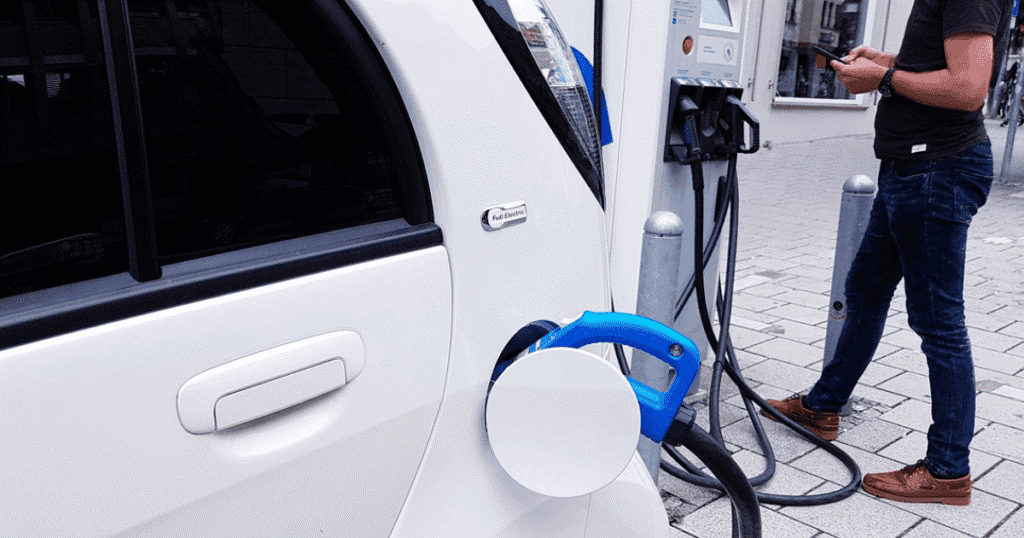
Professional EV charging stations installation in Deerfield, IL. Residential & commercial EV chargers installed safely, code-compliant, and future-ready.
Smart, Scalable, and Future-Ready EV Charging Solutions
Electric vehicles are no longer “the future.” In the United States, they are already the present. With millions of EVs on the road and aggressive clean-energy targets, EV Charging Stations have become a critical infrastructure need—not just a convenience.
Whether you’re a homeowner looking to charge overnight or a business owner planning to attract EV drivers, professional EV charging station installation is now essential.
This guide explains home usage and commercial EV charging station installation, what really matters when choosing a system, and why working with experienced installers makes all the difference.
Why EV Charging Stations Matter in the USA Right Now
The U.S. EV market is growing faster than the charging infrastructure in many regions. That gap creates real demand for:
- Residential EV charging stations
- Workplace charging
- Retail & fleet charging
- Public & semi-public commercial installations
Installing EV charging stations is no longer just about charging cars—it’s about property value, business growth, and future compliance.
For property owners and businesses, EV charging stations offer:
- Long-term cost savings
- Increased asset value
- New revenue opportunities
- Strong sustainability branding
EV Charging Stations: Levels Explained (Quick & Clear)
Understanding charging levels helps customers choose the right solution, not an overpriced or underpowered one.
Level 1 EV Charging Stations
- Uses standard 120V outlets
- Slow charging (3–5 miles per hour)
- Best for very light home use
Not recommended for most U.S. drivers anymore.
Level 2 EV Charging Stations (Most Popular)
- Uses 240V power
- 25–40 miles of range per hour
- Ideal for homes, apartments, offices, retail, and fleets
This is where professional installation matters most.
DC Fast Charging (Commercial Only)
- Ultra-fast charging
- Requires heavy electrical upgrades
- Best for high-traffic commercial locations
Site Assessment & Electrical Planning (Local Expertise Matters)
One of the biggest mistakes businesses make is installing EV charging stations without proper planning.
Professional local installers evaluate:
- Existing electrical service capacity
- Parking layout and charger placement
- Distance from power source
- Future expansion needs
- ADA and safety compliance
Permits and Code Compliance when Installing EV Charging Stations in Deerfield
When you install EV charging stations in Deerfield, you must comply with the following rules:
- National Electrical Code (NEC)
- State of Illinois regulations
- Local Deerfield permit and inspection requirements.
Professional installers will conduct all permitting and inspection activities on your behalf. This will save you time, effort and prevent you from getting into trouble legally.
Non-compliance with applicable codes and regulations can lead to:
- Failed inspections
- Fines and penalties
- Problems with your insurance company.
Home EV Charging Station Installation
Reason Homeowners Install EV Charging Stations
Home charging is significantly less expensive to charge at home, safer than public EV stations, and is much more convenient. A majority of EV owners (90% in the USA) charge primarily (90%) at home.
Advantages of Installing Home EV Charge Stations:
- You Can Charge While Sleeping
- Cost of Charging at Home Is Less Than Charging Publicly
- You Will Not Have to Schedule Your Charges
- You Will Increase Your Home Resale Value
Things Included with Professional Installation of Home EV Charging Stations
A professionally installed home EV charging station does not involve merely plugging in a "box". A home EV charging station will involve:
- Assessing Your Electrical Load
- Checking Your Electrical Panel’s Capacity
- Obtaining Necessary Permits (Local and State)
- Providing Wiring Compliant with The National Electric Code
- Configuring Smart Charger
- Testing For Safety Compliance
Additionally, a DIY or unlicensed installation of an EV charging station often results in failed inspections, warranty disqualifications and, in some cases, fire hazards.
Commercial EV Charging Station Installation
The success of a business strategy for all industries today relies heavily on installing Commercial Electric Vehicle (EV) Charging Stations. Installing an EV Charging Station will deliver improved sales, happier employees, and long-term ROI for companies that complete the installation.
The following are the top commercial applications for EV Charging Stations:
- Corporate Campuses/Affiliated Office Buildings
- Retail Stores/Shops/Shopping Centers
- Hospitality (Hotels) Industry
- Multi-Family Residential Property (apartments/ condominiums)
- Fleet and Logistics Operations
Business Benefits of EV Charging Stations
- Attract EV-driving customers
- Increase customer dwell time and sales for businesses
- Generate revenue from charging fees
- Eligibility for government incentives/tax credits
- Meet sustainability goals/ESG objectives
EV Charging Stations are fast becoming a required amenity rather than just another business advantage.
Smart EV Charging Stations: The New Standard
Modern EV charging stations are no longer “dumb outlets.”
Smart chargers offer:
- Usage monitoring
- Load balancing
- User authentication
- Mobile app control
- Energy optimization
For commercial installs, smart charging is essential to manage power costs and prevent electrical overload.
Electrical & Site Planning: Where Most Installations Fail
Many installers focus only on hardware. Experienced professionals focus on infrastructure.
Key considerations:
- Existing electrical capacity
- Transformer limitations
- Parking layout & cable reach
- ADA compliance (commercial sites)
- Future expansion planning
A poorly planned EV charging station install costs more later than doing it right the first
EV Charging Stations & Compliance in the USA
Every state and city have different requirements. Professional installers handle:
- NEC (National Electrical Code) compliance
- Local permitting & inspections
- Utility coordination
- Safety standards
Non-compliant installs can result in:
- Fines
- Forced removal
- Insurance issues
This is why experience matters.
Incentives & Rebates for EV Charging Stations
Many U.S. homeowners and businesses qualify for:
- Federal tax credits
- State EV incentives
- Utility rebates
- Commercial depreciation benefits
A knowledgeable installer helps identify and apply for eligible incentives—saving thousands of dollars.
Choosing the Right EV Charging Station Installer
Not all EV charging installers are equal.
Look for:
- Licensed & insured electricians
- Proven EV charging experience
- Residential + commercial expertise
- Clear pricing & timelines
- Post-installation support
The right partner doesn’t just install chargers—they design long-term charging solutions.
Future-Proofing Your EV Charging Investment
EV adoption will only increase. A smart installation today should:
- Support higher charging speeds later
- Allow additional chargers without major upgrades
- Integrate with solar or energy storage
- Scale with business growth
Future-ready EV charging stations protect your investment for years.
Why Professional EV Charging Station Installation Is Worth It
Cheap installs often become expensive problems.
Professional installation delivers:
- Safety
- Performance
- Compliance
- Reliability
- Long-term savings
Whether for a home or a commercial site, EV charging stations should be installed once—and installed right.
FAQs
1: How many days taken by EV charging station installation take in Deerfield?
Home installations usually take one day. Commercial projects mostly depending upon site requirements.
2: Do I need a permit to install an EV charging station?
Yes. Most installations require permits and investigation, which professionals handle for you.
3: What EV charging stations are safe for home use?
Yes, when installed by authorized experts following NEC and local codes.
4: Can EV charging stations be expanded later?
Yes. Properly planned installations allow simple enlargement in the future.
Comments
More Blogs
Explore more articles that you may find interesting.
